
Investing basics: risk, costs, and time horizon.
Learn how time horizon, diversification, and costs shape an investment decision, and use a checklist to compare what you’re considering.
Define the goal and when you expect to need the money
Start with the purpose of the money. A home repair that might need funding next year and spending decades from now create different constraints. Write down the earliest date you might need the money, how flexible that date is, and what a loss would force you to change. When a goal requires withdrawals over several years, consider the first withdrawal as well as the later ones.
Volatility describes how much and how quickly the value can move. A price decline before you need to sell can matter even if the investment later recovers. A longer horizon may give you more time to respond, but the price may stay low or the investment may lose value permanently. Consider the effect of a loss on essential spending as well as your comfort with watching prices change.
Look for concentration behind the names on the statement
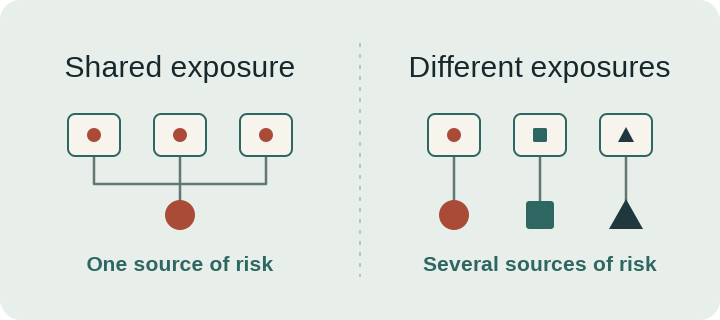
Diversification spreads exposure across investments that can respond differently to the same event. Concentration happens when a large share of the outcome depends on one issuer, industry, region, or type of risk. For example, two funds can have different names and still own many of the same companies. A household whose wages, employer shares, and other savings all depend on the same business can be exposed through several routes at once.
Compare what each investment actually holds and what drives its value. Broad market declines can affect many different holdings together. Diversification can reduce reliance on a single exposure, and a diversified investment can still lose money.
Compare fees, taxes, liquidity, and volatility
- Fees
- Look for ongoing fund or account expenses, advice charges, transaction costs, and charges that apply when you sell. A percentage charged each year can add up over time, while a one-time fee belongs to a particular transaction.
- Taxes
- Ask how the account and the investment handle distributions and sales. Taxes can change the amount available to spend. The answer depends on your facts and the relevant rules.
- Liquidity
- Check when and how you can exit, how long it may take to receive cash, and whether you face a lockup, a fee, or a price concession to sell quickly.
- Volatility
- Look at the sources of price changes and whether a drop would interfere with your planned use of the money. For an investment that rarely trades, ask how the reported value is determined.
Compare products with similar jobs. A low annual fee tells you little about whether you can sell when you need to or how much risk you would take.
An investment comparison checklist
Use the prospectus, offering materials, or other governing documents where available. Write the source and date beside each answer so you can see which details are missing or need to be refreshed.
- Explain in one sentence what you would own and how it could gain or lose value.
- List the largest exposures and compare them with what you already hold.
- Record entry, ongoing, and exit costs. Ask who gets paid and by whom.
- Check when you can withdraw or sell, and how the sale price is set.
- Identify tax questions a sale or distribution could raise.
- Write down what would happen to your goal after a loss or a delayed sale.
- Mark answers that depend on a promise, an estimate, or information you still need to verify.
Recognize pressure and other warning signs
Pressure to act immediately leaves little time to check documents, fees, and the person making the offer. A promise of guaranteed high returns deserves scrutiny, especially when it comes with claims of little risk. Ask who is backing any guarantee, exactly what it covers, and under which conditions it might fail to pay.
If the fees, ownership, or withdrawal rules are unclear, pause before sending money or sharing information. Look for written terms and independently verify the seller and firm. When a person claims to hold a registration or license, check it through the relevant regulator’s own site using a source you find yourself.
Investing questions
Does owning several funds mean I am diversified?
It depends on what they hold. Compare their largest positions and the markets, sectors, or risks that drive them. Funds with overlapping holdings can add little variety to an existing portfolio.
What is the difference between a price drop and an investment loss?
A price drop reduces the current value of an owned investment. Selling at a price below what you paid generally realizes the loss, while continuing to hold leaves you exposed to further changes. An investment can also become worthless even if you never sell.
Is the lowest-cost option always the best fit?
Costs matter, especially over long periods. A useful comparison also considers what the investment holds, the risks you would bear, access to your money, and any services included.
Can past performance tell me what I will earn?
Past figures describe a particular period. Market conditions, fees, holdings, and the dates when you buy or sell can differ. Use past results to ask about what drove them and what could work differently in the future.
What should I ask someone who offers investment advice?
Ask how they are compensated, what their scope of work is, and what conflicts or limits apply. A qualified adviser may help you evaluate choices when there are several goals, complex tax considerations, or a concentration you are unsure how to address.
Connect these concepts to the retirement planning checklist or read the financial education disclaimer.